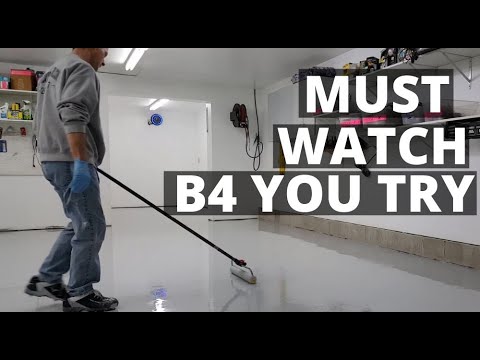
Transform Your Space with Flawless Epoxy Flooring: Here's How
Quick Answer: Common epoxy flooring installation mistakes include neglecting surface preparation, incorrect resin-to-hardener mixing, skipping primer, and rushing the curing process. In Chicago, where humidity and temperature fluctuations are common, proper moisture testing and temperature control are especially critical to avoid adhesion failures and imperfections.
Imagine the breathtaking beauty of a perfectly smooth, glossy floor—an epoxy masterpiece that turns your space into a show-stopper. Now, imagine the crushing disappointment of imperfections like bubbles, cracks, and peeling creeping in just weeks later. The difference between disappointment and perfection lies in proper installation techniques and avoiding common epoxy flooring installation mistakes.

Epoxy flooring is more than an aesthetic upgrade; it’s an investment in durability, style, and wow-factor transformation. However, achieving that polished, glass-like finish requires an artful combination of preparation, patience, and precision. Whether you're a DIY enthusiast or a professional flooring expert, avoid these common epoxy flooring installation mistakes to deliver stunning results.
4 Critical Mistakes You Must Avoid During Epoxy Installation
1. Neglecting Surface Prep: The Unshakeable Foundation of Success
Think of your concrete substrate as the base layer of a painting. Any grease stains, hidden moisture, or residual dust will prevent the epoxy from sticking properly, causing eventual cracking and peeling.- Why It Matters: Poor surface prep sets your entire project up for failure. Greasy or uneven concrete is a recipe for disaster.
- Expert Tip: Always clean, dry, and roughen the surface. Professionals use tools like concrete grinders for precision preparation. Test for moisture with tools like a calcium chloride moisture kit.
2. Epoxy Mixing Errors: Get the Chemistry Spot-On
Epoxy flooring relies on a chemical reaction between resin and hardener. Even the slightest misstep—whether it’s an incorrect ratio or improper mixing—can lead to a weaker flooring surface and is one of the common epoxy flooring installation mistakes.- Key Insight: Miscalculating resin/hardener ratios can create tacky, brittle, or uneven flooring.
- Expert Tip: Follow the manufacturer's guidelines carefully. Use a mixing paddle on a slow rotating drill for even blending across the mixture.
3. Skipping the Essential Primer Layer
The primer is the unsung hero of epoxy flooring. It binds the epoxy to the substrate, reducing the chance of bubbling, peeling, or delamination over time, which are also common epoxy flooring installation mistakes.- Fast Stat: Over 50% of DIY epoxy projects fail because no primer was used.
- Pro Tip: Use a high-grade epoxy primer to lay the foundation for proper adhesion and durability. Quality primers improve bonding and protect your materials.
4. Rushing Through the Cure Process
Excitement often leads to costly mistakes, such as stepping on the floor too early. Premature use can ruin the curing chemistry, rendering your floor uneven and unstable, highlighting another of the common epoxy flooring installation mistakes.- Key Insight: Proper curing ensures the strength and lifespan of your flooring.
- Expert Tip: Let the floor cure in undisturbed conditions for at least 48-72 hours, depending on product specifications.
Video Guide: Prepare Concrete Like a Pro
Education matters, especially for epoxy installation. Watch this expert tutorial detailing how to prepare your concrete substrate properly before applying epoxy. Learn techniques like grinding, crack repair, and moisture testing:
The Ultimate Epoxy Flooring Foolproof Checklist
Before You Begin
- Conduct a thorough moisture test on concrete.
- Fill cracks and holes for a seamless surface.
- Gather professional-level essentials: rollers, squeegees, and safety gear.
During Installation
- Blend resin and hardener with precision—no shortcuts!
- Apply high-quality primer first.
- Ensure even epoxy distribution with smooth application techniques.
After Installation
- Leave the floor undisturbed during the curing period.
- Inspect the finished product for imperfections.
What Causes Epoxy Floors to Fail? - Quick Recap
- Skipping Prep: Greasy, dusty, or damp surfaces cause major adhesion issues.
- Improper Mixing: Faulty ratios lead to brittle floors and are among the common epoxy flooring installation mistakes.
- No Primer: Ignoring this stops epoxy from bonding properly.
- Rushing the Process: Walking on uncured flooring ruins its durability.
BONUS: Additional Resource
To further enhance your understanding, this tutorial dives deeper into epoxy floor application techniques:
Take Action: Achieve Epoxy Perfection
Don’t let epoxy flooring mistakes derail your efforts. Remember, meticulous preparation transforms your floor into a long-lasting, stunning masterpiece. Whether DIYing your next big project or hiring a professional, ensure every step is done right for an impressive result, especially avoiding the common epoxy flooring installation mistakes.This is especially relevant for those interested in epoxy DIY mistakes.
- Pro Insight: Preparation, patience, and precision are non-negotiable.
- Takeaway: Every detail counts. Professional tools, careful oversight, and endurance will pay dividends for years to come.
Frequently Asked Questions
What happens if you don't prepare the concrete surface before epoxy flooring?
Skipping surface preparation—such as cleaning, degreasing, and grinding—prevents the epoxy from bonding properly. This can lead to peeling, cracking, and bubbles within weeks. For Chicago homes, moisture testing is also essential due to varying humidity levels.

How does incorrect epoxy mixing affect the final floor?
Using the wrong resin-to-hardener ratio or mixing improperly can result in a tacky, brittle, or uneven surface. Always follow the manufacturer's instructions and use a slow-speed drill with a mixing paddle to ensure a consistent chemical reaction.
Is a primer necessary for epoxy flooring?
Yes, a primer is crucial for adhesion. It bonds the epoxy to the concrete, reducing the risk of bubbling and delamination. Many DIY projects fail because primer is skipped, especially on porous or previously coated surfaces common in Chicago garages.
Expert Tip
Proper surface preparation and moisture testing are essential for epoxy adhesion. Follow the coating manufacturer's temperature and curing requirements.
Why is curing time important for epoxy flooring?
Rushing the cure process by walking on or using the floor too early can ruin the chemical reaction, leading to soft spots and uneven finish. Allow at least 48–72 hours of undisturbed curing, and consider Chicago's temperature swings to ensure full hardness.

Key Takeaways
- Understanding your options for common epoxy flooring installation mistakes is the first step
- Explore related options like epoxy DIY mistakes
- Explore related options like avoiding epoxy floor peeling
- Getting pre-qualified helps you understand your real options