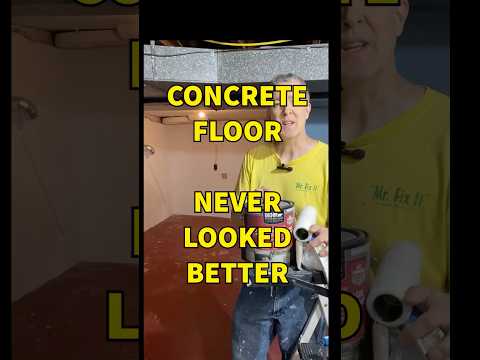
Direct Answer
Quick Answer: Yes, epoxy flooring is suitable for high-humidity basements in Chicago. Its moisture-resistant, non-porous surface helps prevent mold and mildew, but proper preparation—including addressing moisture issues and applying a vapor barrier—is essential for long-lasting results.
Yes, epoxy flooring is a suitable option for high-humidity basements. Its moisture-resistant properties make it an excellent choice for wet or damp environments, provided that the space is properly prepared and sealed to prevent issues like moisture seepage or peeling.
Key Takeaways
- Epoxy flooring is moisture-resistant and ideal for high-humidity basements when installed correctly.
- Proper surface preparation and a vapor barrier are essential to prevent issues like bubbling or peeling.
- It's one of the best flooring options for wet basements due to its durability and resistance to mold and mildew.
- Basement epoxy coatings are available in various styles and colors, offering both functionality and aesthetics.
- Regular maintenance and addressing any underlying moisture problems will ensure long-lasting performance.
What is Epoxy Flooring for High-Humidity Basements?
Epoxy flooring is a durable and moisture-resistant coating made from a combination of epoxy resin and hardener. It creates a solid, seamless surface that bonds to concrete and protects against water damage, making it a popular choice for high-humidity environments such as basements. The unique formulation of epoxy coating allows it to withstand moisture, preventing issues like mold and mildew growth.Why Choose Epoxy Flooring for Wet Basements?
Durable and Long-Lasting
Epoxy flooring can withstand heavy foot traffic, moisture, and general wear and tear for years, making it a cost-effective investment for homeowners.Moisture Resistance
Epoxy flooring offers exceptional resistance to water infiltration, which is crucial for basements prone to humidity or occasional water exposure. Its non-porous nature prevents water from seeping through the floor and causing long-term damage.Mold and Mildew Prevention
Since epoxy creates a seamless layer over concrete, it eliminates any crevices where mold and mildew could grow—common problems in damp basements.Aesthetic Appeal
With a variety of color options, finishes, and textures, you can achieve a sleek and customizable look.| Feature | Benefit |
|---|---|
| Moisture-Resistant | Prevents water seepage and mold formation |
| Strong and Durable | Resists heavy use, wear, and damage |
| Aesthetically Versatile | Available in numerous finishes and colors |
| Easy to Clean and Maintain | Requires minimal maintenance |
How to Prepare a Basement for Epoxy Flooring
Before installing epoxy flooring, proper preparation is essential to ensure its long-term effectiveness:1. Inspect and Repair the Concrete Floor
- Check for Cracks: Patch cracks or chips in the floor using a concrete filler for a smooth surface.
- Surface Cleaning: Remove dirt, grease, or loose debris using a concrete cleaner.
2. Address Moisture Issues
Install a vapor barrier or dehumidifier if your basement has significant moisture problems. Moisture content should be tested to ensure it's within acceptable limits (below 4%) before applying epoxy.3. Surface Etching
Etch the concrete with an acid-based solution to improve the adhesion of the epoxy coating.4. Apply a Primer
Use an epoxy primer as a base layer to enhance adhesion and create a stronger bond between the epoxy and the concrete surface.Common Challenges and Solutions
Even though epoxy flooring is a great choice, there are some challenges to consider:Issue: Bubbling or Peeling
Cause: Moisture seeping from the concrete into the epoxy. Solution: Apply a moisture barrier and ensure the concrete is completely dry before installation.Issue: Slippery Surface
Cause: Epoxy’s smooth finish can become slippery when wet. Solution: Incorporate a non-slip additive into the coating for added safety.Issue: Initial Cost
Cause: Epoxy installation can have higher upfront costs. Solution: Balance the cost with the long-term durability and reduced maintenance expense.Practical Steps to Install Basement Epoxy Flooring
- Step 1: Clean and repair the concrete surface thoroughly.
- Step 2: Test for moisture and ensure the floor is dry.
- Step 3: Apply a primer to prepare the surface.
- Step 4: Mix the epoxy resin and hardener according to instructions.
- Step 5: Apply the epoxy in thin, even coats, allowing each coat to fully dry before applying the next.
Frequently Asked Questions
Is Moisture Testing Necessary Before Installing Epoxy Flooring?
Yes. High levels of moisture in the concrete can lead to bubbling, peeling, and premature failure of the epoxy coating. Use a moisture meter to ensure levels are below the recommended limit.Can I Install Epoxy Flooring Over an Existing Floor?
No. Epoxy flooring requires a clean, porous concrete surface for proper adhesion. Existing flooring should be removed prior to installation.How Long Does Epoxy Flooring Last in a Basement?
With proper installation and maintenance, epoxy flooring can last 15-20 years or more in a residential basement.Are There Eco-Friendly Options for Epoxy Flooring?
Yes. Some manufacturers offer low-VOC (volatile organic compound) epoxy formulations that are environmentally friendly and safe for indoor use.How Do I Maintain Epoxy Flooring in My Basement?
Regularly sweep and mop the surface with mild detergent and avoid using abrasive cleaners.Conclusion
Epoxy flooring is a durable, moisture-resistant, and visually appealing choice for high-humidity basements. Although surface preparation and proper installation are critical, the investment pays off with long-lasting results that protect your basement from water damage and enhance practicality. LINK: related-topicDisclaimer
This content is for informational purposes only and does not constitute professional, financial, or legal advice. Consult a licensed contractor for specific recommendations tailored to your situation.Ready to Get Started?

Get your free, no-obligation quote in minutes.
Get Your Free Quote01
Test slab moisture
02
Prepare concrete surface
03
Follow curing instructions
Key Takeaways
- Understanding your options for epoxy flooring for high-humidity basements is the first step
- Explore related options like basement epoxy coating
- Explore related options like moisture-resistant epoxy flooring
- Getting pre-qualified helps you understand your real options