Direct Answer
Epoxy flooring for home garages is a durable, cost-effective solution that enhances the appearance and functionality of your garage. It provides a seamless, long-lasting surface that resists stains, impacts, and moisture, making it ideal for residential garage use.Key Takeaways
- Epoxy flooring is ideal for enhancing durability, cleanliness, and aesthetics in home garages.
- Garage floor epoxy coating protects surfaces from stains, impacts, and moisture.
- Affordable garage flooring solutions include DIY kits and professional installations.
- Choosing the best epoxy for garage use depends on factors like climate, usage, and budget.
- Proper preparation and installation are crucial for long-term results.
Why Choose Epoxy Flooring for Home Garages?
Epoxy flooring is a popular option for garages due to its durability, low maintenance, and attractive finish. It creates a seamless layer that protects concrete floors from moisture, chemical spills, and impacts. Whether you're looking for a polished showroom style or a functional workspace, epoxy flooring can meet your needs.Benefits of Epoxy Flooring for Garage Use
Epoxy flooring provides numerous benefits for homeowners:- Durability: Resist wear and tear, impacts, and heavy loads.
- Enhanced aesthetics: Available in various colors and finishes.
- Easy maintenance: Requires just occasional cleaning.
- Chemical resistance: Protects against automotive fluids and other spills.
Types of Garage Epoxy Coating
Selecting the right type of epoxy coating depends on your specific needs. Garage epoxy coatings typically fall into three categories:Water-Based Epoxy
Water-based epoxy is easy to apply and affordable, making it ideal for DIY projects. Though less durable than solvent-based options, it provides decent protection.Solvent-Based Epoxy
Solvent-based epoxy is more durable and provides a glossy finish. It’s ideal for high-traffic garage spaces but often requires professional application.100% Solid Epoxy
Solid epoxy offers the highest durability and thickness, making it suitable for heavy-duty garages. It is often the best epoxy for garage use but is more expensive and requires skilled installation.| Type of Epoxy | Durability | Ease of Application | Cost |
|---|---|---|---|
| Water-Based Epoxy | Moderate | Easy | Most affordable |
| Solvent-Based Epoxy | High | Moderate | Moderate |
| 100% Solid Epoxy | Very High | Challenging | Most expensive |
Preparing Your Garage for Epoxy Flooring
Proper preparation ensures optimal results. Follow these steps to prepare your garage:- Clean the surface: Remove dirt, grease, and debris.
- Repair cracks and damages: Ensure a smooth and even base.
- Etch the concrete: Use a chemical etching solution for better epoxy adhesion.
- Allow the concrete to dry: Ensure no moisture is present before applying epoxy.
DIY vs. Professional Installation
Both DIY and professional installation have their pros and cons:DIY Installation
- Pros: Cost-effective, customizable, easy to source materials.
- Cons: Labor-intensive, requires proper preparation and skill.
Professional Installation
- Pros: Expert finish, warranty options, less time-consuming.
- Cons: Higher cost.
Affordable Garage Flooring Solutions
If you’re on a budget, consider the following options:- DIY epoxy kits: Typically start at $50-$150 per kit, suitable for small garages.
- Paint coatings: Cheaper alternatives but less durable.
- Interlocking tiles: Provide quick installation with moderate durability.
Common Challenges with Epoxy Flooring
Installing epoxy flooring can come with challenges:- Humidity levels: Too much moisture can affect adhesion.
- Preparation errors: Improper surface cleaning or etching can lead to bubbles.
- Temperature conditions: Epoxy cures best within specified temperature ranges.
Overcoming Challenges
- Use a dehumidifier in high-moisture areas.
- Follow manufacturer instructions carefully during prep work and application.
Step-by-Step Guide: How to Apply Epoxy Coating
Here’s a simple guide:- Prepare the surface: Thoroughly clean and repair any damage.
- Mix the epoxy: Follow package instructions.
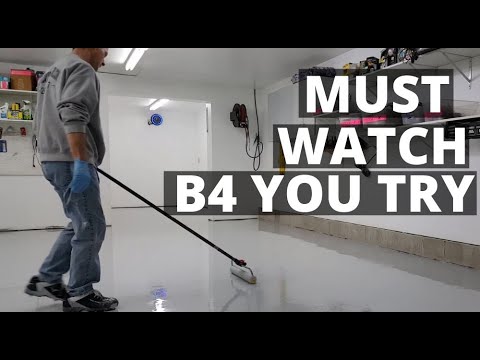
- Apply the first coat: Use a roller to evenly coat the floor.
- Wait to cure: Allow the recommended drying time.
- Apply additional coats: Ensure proper coverage and durability.
- Final touch-ups: Inspect and address uneven areas.
Frequently Asked Questions
What is epoxy flooring?
Epoxy flooring is a protective layer applied to concrete surfaces that enhances durability, aesthetics, and resistance to chemicals and moisture.How long does epoxy flooring last?
With proper installation, epoxy flooring can last anywhere from 5 to 15 years.Can I install epoxy flooring myself?
DIY installation is possible but requires proper preparation and adherence to manufacturer guidelines.How much does epoxy flooring cost?
Costs typically range from $3 to $12 per square foot, depending on the type and professional installation fees.Is epoxy flooring safe?
Epoxy flooring is safe when cured properly but may emit fumes during installation.Conversion CTA
Ready to transform your home garage with durable epoxy flooring? Contact a trusted local installer or explore DIY kits to get started today!Disclaimer
This content is for informational purposes only and does not constitute professional advice. Consult a flooring specialist for personalized recommendations.[LINK: related-topic]
Ready to Get Started?
Get your free, no-obligation quote in minutes.

Key Takeaways
- Understanding your options for epoxy flooring for home garages is the first step
- Explore related options like garage floor epoxy coating
- Getting pre-qualified helps you understand your real options