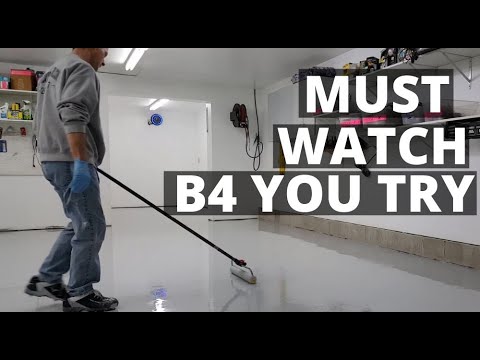
How to Prepare Your Floors for Epoxy Coating
Quick Answer: To prepare floors for epoxy coating, start by thoroughly cleaning the surface to remove dirt, grease, and debris. Repair any cracks or holes, and test for moisture. Then abrade the concrete via grinding, etching, or sanding to create a rough profile for strong adhesion. Proper preparation ensures the epoxy bonds effectively and lasts longer.
Epoxy floor coatings provide durability, aesthetics, and a long-lasting finish, but achieving these benefits depends largely on proper floor preparation. To prepare floors for epoxy coating, start by cleaning the surface thoroughly, repairing damages, and ensuring the substrate is smooth and free from contaminants. Proper preparation ensures the epoxy adheres to the floor effectively, preventing peeling or cracking.
Key Takeaways
- Proper epoxy floor preparation is critical to achieving a durable, long-lasting finish.
- Key steps include cleaning, repairing, and ensuring the floor surface is free of dust, oil, and debris.
- Concrete floors must be etched, ground, or sanded to improve epoxy adhesion.
- Incorrect preparation can lead to issues like peeling, blistering, or bubbling.
- Always check and follow manufacturer recommendations for epoxy products.
Why Is Epoxy Floor Preparation Important?
Preparing a floor for epoxy is essential because a clean, properly prepped surface ensures strong adhesion. Without proper preparation, epoxy coatings can fail prematurely, resulting in wasted time and money.
Understanding how to prepare floors for epoxy coating can help you compare your options and make a confident, informed decision.

What Happens When You Skip Proper Preparation?
- Weak Adhesion: Epoxy may not bond well to dirty or unprepared surfaces.
- Bubbling and Peeling: Trapped contaminants or moisture can cause bubbles or peeling.
- Shortened Lifespan: Poor preparation compromises the durability and performance of the epoxy.
Eligibility: Is Your Floor Suitable for Epoxy Coating?
Before starting, ensure your floor is suitable for epoxy application. The surface must be clean, structurally sound, and capable of bonding with the epoxy product.
Which Floors Work Best?
- Concrete Floors: The most common substrate for epoxy. Concrete must be dry, free of sealants, and scuffable.
- Wood Floors: Acceptable if coated with a primer, but may have reduced durability compared to concrete.
- Tile Floors: Requires additional prep work to roughen the surface and seal grout lines.
Surfaces to Avoid
- Floors with heavy humidity or water exposure.
- Surfaces treated with oil-based sealers or non-bondable coatings.
Step-by-Step: How to Prepare Floors for Epoxy Coating
Follow these epoxy floor preparation steps to achieve the best results:
1. Clean the Floor Thoroughly
Removing dirt, grease, and debris is the first and most crucial step. Use the following methods based on the type of contaminants:- Vacuum or Sweep: To remove loose debris.
- Degreaser Application: Used for spots with oil or grease stains. Let the cleaner sit, then scrub with a stiff brush.
- Rinse: Use water to wash away residue. Allow the floor to dry completely.
2. Repair Damages
Inspect for cracks, holes, or uneven areas. Repairing these ensures a smooth application later.- Fill Cracks: Use epoxy patching compound to seal cracks.
- Level Uneven Areas: Grind or use a self-leveling compound to create an even surface.
3. Test for Moisture
Moisture can prevent the epoxy from adhering. Use a plastic sheet test:- Tape a plastic sheet to the floor and leave it for 24 hours. If condensation forms underneath, the floor may not be dry enough for epoxy.
4. Abrade the Surface
Create a rough surface so the epoxy can adhere better. This can be done by:| Method | Ideal Application |
|---|---|
| Etching | For light preparation on smooth surfaces. |
| Grinding | For larger surfaces needing significant texture. |
| Sanding | For smaller touch-up areas or wooden floors. |
After abrasion, vacuum dust thoroughly and wipe down the area to ensure cleanliness.
This is especially relevant for those interested in prep surfaces for epoxy.
5. Apply a Primer (Optional)
Priming helps seal porous surfaces and enhances the epoxy's adhesion. Follow the product’s instructions for drying times before applying epoxy.6. Ensure Dryness and Cleanliness
Before applying epoxy:- Check for dust, debris, or residue.
- Ensure the area is completely dry to avoid adhesion issues.
Common Obstacles and How to Overcome Them
Issue: Moisture in the Substrate
- Solution: Use moisture-blocking products or allow extra drying time before starting.
Issue: Oil or Grease Stains
- Solution: Apply a degreaser and scrub the area thoroughly. Stubborn stains may require professional cleaning.
Issue: Uneven Concrete Surface
- Solution: Use a concrete grinder to smooth out raised areas or uneven textures.
Issue: Adhesion Problems
- Solution: Test adhesion by applying a small patch of epoxy as a trial before coating the entire surface.
Checklist: Preparing Your Floors for Epoxy
Before applying epoxy, use this practical checklist to confirm all steps are completed:

- Clean the floor thoroughly and remove all debris.
- Repair cracks, holes, and uneven areas with appropriate products.
- Test the floor for moisture and ensure substrate dryness.
- Abrade or etch the surface for improved epoxy adhesion.
- Prime the floor if recommended by the manufacturer.
- Confirm the floor is dry, dust-free, and ready for epoxy application.
Conversion CTA: Ready to Upgrade Your Floors?
Professional preparation ensures the durability of your epoxy coating. If you’re ready to transform your floors, consult a trusted flooring contractor or purchase high-quality epoxy products to get started. Need more guidance? [LINK: related-topic] has more tips!
Disclaimer
This article provides general information for preparing floors for epoxy coating. Always follow the specific preparation and safety guidelines provided by your epoxy product manufacturer. Results may vary depending on floor type, condition, and preparation quality.Frequently Asked Questions
How long does it take to prepare floors for epoxy coating?
Preparation time varies based on the method and floor condition, but it typically ranges from a few hours to a full day.Can I apply epoxy over painted concrete?
No, you must remove existing paint before applying epoxy. Painting interferes with adhesion.What tools are needed for epoxy floor preparation?
Common tools include a vacuum, scrub brush, degreaser, grinder, and patching compounds.When can I apply epoxy after cleaning the floor?
Allow the floor to dry entirely, which usually takes 24 hours, before applying epoxy.What is the purpose of priming the floor before epoxy application?
Primers enhance adhesion and seal porous surfaces, ensuring a smoother, more durable finish.
Key Takeaways
- Understanding your options for how to prepare floors for epoxy coating is the first step
- Explore related options like epoxy floor preparation steps
- Explore related options like prep surfaces for epoxy
- Getting pre-qualified helps you understand your real options